
Travelling with Confidence: Holiday Tips for Families with Additional Needs
With summer in full swing, a lot of families are looking forward to their holiday. We imagine perfect sunny weather, relaxation and everyone having fun together, but the reality can be quite different. If you have a child with health issues, neurodiversity or any additional needs, the “typical family holiday” may not work for you.

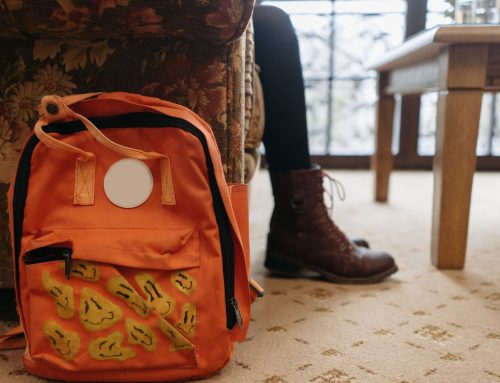
Image by Annie Spratt
Luckily, there are many practical things we can do to make things easier. If we plan for tricky times, adjust our expectations and accept that there may be “hiccups” along the way we can have a holiday that works for everyone.
Planning
Involving everyone in the holiday planning gives a sense of ownership and can reduce anxiety. You can ask each family member to list their favourite things to do on holiday. This can help narrow down your list of destinations to places that has something for everyone.
Familiarising yourself with the area before you go can be useful. Some places have video tours, so you know what to expect when you arrive. You can also check the local area for places to eat by reading restaurant reviews, and options for days out and activities that suit your family. You may need to check where the nearest hospital is as well as how to deal with an emergency.
If you child has an allergy or food issues, you can take allergy translation cards and learn the word for your trigger foods / “may contain” in the language of your destination, so you are familiar with it when checking menus and labels. Taking trusted, “safe” food with you as back-up can also relieve anxiety.
When you first arrive, you may need to have some quiet time for everyone to adjust rather than going straight into days out or activities. Taking some familiar items from home can help if your child feels uncertain being in a new place.
Travel
Travel can be challenging, especially for neurodiverse children. However, you can reduce stress and anxiety by putting strategies in place and thinking ahead.
If driving, travel off peak to avoid the worst of the traffic. Plan stops and research service stations and facilities. Some may be too busy and overwhelming; others may not have the food options you need.
Sitting still for hours can also be a real challenge, especially for those with anxiety or ADHD, so planning frequent breaks and having plenty of distractions can help.
You could try packing a “grab bag” to include earplugs, noise cancelling headphones, snacks, activity kits, comforters, fidget toys, electronic devices, pillow, weighted lap pad etc.
If you are flying, research the airport before you go to check what facilities are on offer. Gatwick Airport has a free sensory room that can be booked in advance and has won an Autism Friendly award. Heathrow is also part of the Hidden Disabilities Sunflower Scheme.
Your holiday provider may also offer special assistance which could include extra baggage allowance and fast track through security.
Destination

Image by Patricia Prudente Unsplash
Some of the classic holiday destinations may not be right for your family, so you may need to think about some alternatives. Sweden, Iceland, Norway, Australia and Canada are all listed as the top Autism Friendly destinations.
You may decide to travel by train to allow your child to get up and walk around. Disneyland Paris offers a priority card so a trip here via Eurostar could be a good option.
You may decide that staying in the UK is the best option for your family, there are plenty of fantastic, inclusive places to choose from.
Specialist Travel Agents & Destinations
If you have neurodiverse children, you may want to use a specialist travel agent. Options include World Accessible Holidays, Beyond Boundaries Travel and Willy Wonka Travel.
Tui has customer welfare team and a sensory room in some resorts
Legoland Resorts, British Airways, Virgin Hotels and Center Parcs have all partnered with the Hidden Disabilities Sunflower scheme.
It’s your holiday too
Make sure you include things you want to do as well as keeping everyone else happy. It’s important to include downtime and time apart to recharge, you don’t need to spend every moment together to make a successful family holiday.
Useful websites & resources
The ultimate travel and holiday guide for neurodivergent families | MadeForMums
Travelling With Children With Additional Needs | Sensory Direct Blog