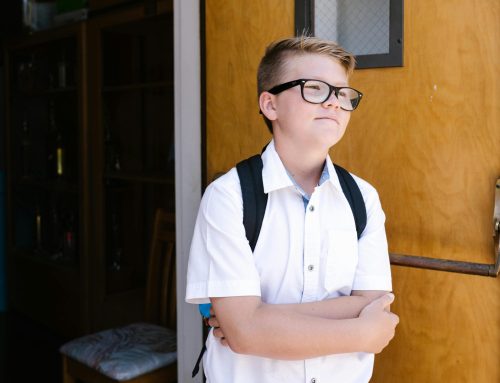

Every day we have thoughts, feelings and experiences that we carry with us that become part of our “emotional backpack.” They can be big, traumatic events, or they can be small things that wouldn’t be a problem for others. Over time, these can build up and become heavy, affecting how we feel and our relationships with others.

Image by Pavel Danilyuk
If we keep adding “rocks” to our backpacks without finding ways to deal with them, one day they will become too full, and our emotions may overwhelm us.
Parents have their own emotional backpacks, so it is important to learn how to deal with them so that they can help their child with theirs.
What kind of things could be in a child’s emotional backpack?
Unresolved issues – grief, painful experiences, traumas (big & small).
Daily stressors – anxieties, suppressed emotions, poor sleep.
Social pressure – fitting in and making friends.
Academic stress – pressure to perform well on tests, fear of failure.
Self-identity – working out who you are as a person.
How to help your child deal with their emotional backpack
It can be stressful if your child is struggling with their emotions. It can help to keep calm, listen, and help them to release feelings in a more positive way.
Pause before reacting. If your child comes home irritable, moody, or not wanting to talk, ask yourself – is my child is feeling hurt, angry, lonely, or tired (HALT)? Do I need to address these feelings first? Do they need love and hugs instead of discipline and problem solving?
- Be consistent – providing clear and stable boundaries will help your child feel secure and better able to interact with the world.
- Developing self-esteem – healthy self-talk and new skills.
- Fresh air, exercise & good sleep habits.
- Listen – helps them feel safe to have a caring adult to turn to.
- Give unconditional love.
- Teach them how to manage emotions effectively.
- Help them to be prepared and organised.
- Don’t try to fix the problem; rather than saying “you’ll be fine” try “that sounds hard, I’m glad you told me”. This builds emotional safety.
- Encourage your child to use affirming phrases such as “it feels tricky now, but I’m building courage every day” This builds resilience over time.
- Let conversation flow naturally – the best chats often happen side by side, during a walk, in the car or while doing something together. Low pressure moments can lead to honest chats.
Emotional Self Care Box
Why not create a special box your child can use when they are struggling. You could fill it with:
Activity – mindful colouring, music playlist, game, jigsaw, or craft

Image by Yan Krukau
Memories – a photo that makes you smile, positive message from a friend.
Relax – deep breathing, meditation app, guided mindfulness.
Smell/taste – perfume, essential oils, favourite snack.
Positive talk – affirmation cards, gratitude journal
Touch – stress ball, fidget spinner, soft toy, blanket.
Ask for help if you need it.
Sometimes, your child may need more support. If you notice any of these changes, trust your gut – you know your child best. Early intervention can make a real difference.
- Changes in school performance.
- Excessive worry and anxiety.
- Extreme mood changes.
- Avoiding friends and social activities.
- Frequent physical complaints.
- Difficulty concentrating.
Be kind to yourself.
It can be hard helping your child deal with their emotions, so look after yourself too. Don’t judge yourself harshly if you don’t always get it right, you are doing your best.
Resources
How to Make a Self-Soothe Box | Young Person Blog | Young Minds
Aha Moments | Dr Amy Redmond and Ami Ford
FYI Norfolk – health advice and information for 11–24-year-olds, including emotional and mental health advice, anxiety, etc.
5 Ways to Lighten an Emotional Backpack | Amy Behrens Coaching